 Reviews

 Proudly American

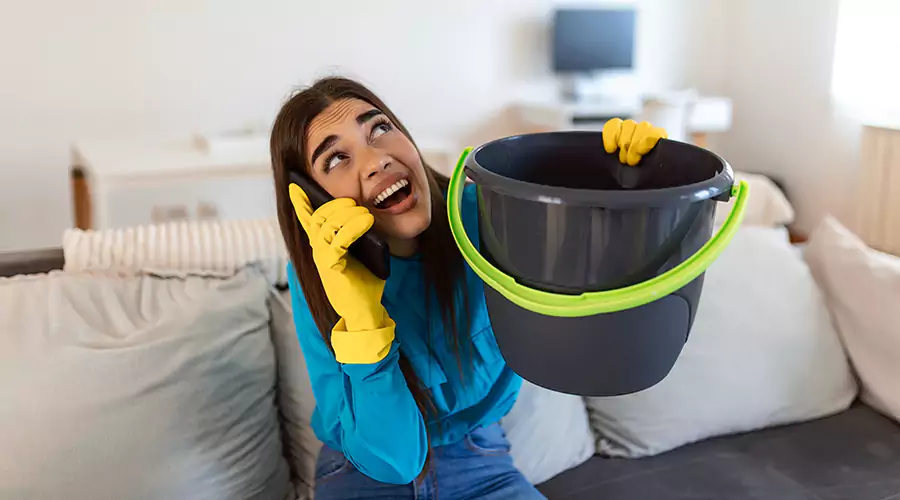
Water damage is one of the most common and costly problems homeowners face, but insurance coverage is not always straightforward. It often depends on how the damage happened, where the water came from, and whether the issue was sudden or caused by neglect. This guide explains what homeowners insurance usually covers, what it may exclude, and when extra protection might make sense.
Understanding Water Damage Coverage in Homeowners Insurance
Homeowners insurance can help with certain types of water damage, but insurance companies usually look at the source of the water, the cause of the problem, and the timing of the damage before deciding whether coverage applies, which can also affect the water damage restoration cost.
In most cases, sudden and accidental water damage is treated differently from damage that builds up slowly over time. That difference often plays a major role in whether a claim is approved or denied.
What Water Damage Means in Insurance Terms?
Insurance companies do not treat all water damage the same way. They usually evaluate the source of the water, the cause of the incident, and how quickly the damage happened.
Why Coverage Depends on the Cause of Loss?
The most important question in a water damage claim is not just whether damage occurred, but what caused it. Insurance companies use the cause of loss to determine if the event is covered or excluded under the policy.
When Homeowners Insurance Usually Covers Water Damage?
Homeowners insurance usually covers water damage when the event is sudden, accidental, and linked to a covered cause. Policies often protect against unexpected losses from plumbing systems, appliances, or certain storm-related incidents.
Sudden and Accidental Water Damage
When water damage happens suddenly and unexpectedly, homeowners insurance often provides coverage. Common examples include a burst pipe, an overflowing appliance, an accidental plumbing leak, or water used to extinguish a fire.
Water Damage From Plumbing Failures
Our homes rely on internal plumbing systems, and insurance may cover damage when those systems fail without warning. A broken supply line, a failed water heater, or a sudden pipe rupture can all cause major interior damage.
Appliance-Related Water Damage
With many everyday appliances using water, accidental leaks can sometimes trigger a covered claim. Dishwashers, washing machines, refrigerators, and water heaters may cause damage to floors, walls, or cabinets if they suddenly fail. Insurance is more likely to respond when the appliance leak was unexpected and the homeowner did not ignore warning signs or maintenance issues.
Roof Leaks Caused by a Covered Event
If a roof leak happens because of a covered event, homeowners insurance may pay for the resulting water damage. Storm damage, wind-driven debris, or a falling object can create an opening that lets water into the home.
When Homeowners Insurance Usually Does Not Cover Water Damage?
Flood Damage
Standard homeowners insurance usually does not cover flood damage. Flooding from heavy rain, rising water, overflowing rivers, or storm surge typically needs a separate flood policy.
Gradual Leaks and Long-Term Damage
Slow leaks, repeated seepage, and maintenance-related issues are commonly excluded. Insurance companies often deny claims when damage develops over time instead of happening suddenly.
Sewer Backup and Drain Backup
Sewer backup and drain backup are often not included in a standard homeowners policy. Many homeowners need to add optional coverage for this type of water damage.
Groundwater Seepage and Foundation Water Intrusion
Water that enters through the foundation or basement walls is often excluded under standard coverage. This usually applies when groundwater pushes through cracks, walls, or floor joints.
Mold Caused by Unresolved Water Problems
Mold may not be covered if it results from ignored leaks, poor maintenance, or delayed cleanup. Insurance carriers often expect homeowners to act quickly after water damage occurs.
What Parts of Water Damage May Be Covered?
Structural Repairs
When the water damage is from a covered event, homeowners insurance may pay for repairs to walls, ceilings, floors, cabinets, and other built-in features. Coverage usually applies to the part of the home that was directly damaged by the sudden event.
Personal Belongings
A covered claim may also help replace or repair personal belongings inside the home. This can include furniture, clothing, electronics, and other household items that were damaged by the covered water loss.
Water Damage Cleanup and Drying
Many policies may also help with mitigation after a covered water event. That can include water extraction, drying, dehumidifying, and basic cleanup services needed to prevent further damage.
Signs You Should Review Your Insurance Policy Today
Older Plumbing Systems
Older plumbing systems can raise the chance of leaks, bursts, and hidden water damage. If your home has aging pipes, it makes sense to review your policy before a problem starts.
Finished Basements
Finished basements often contain flooring, furniture, electronics, and storage that can be expensive to replace. They can also face higher risk from seepage, backup, and drainage issues.
Homes in Flood Prone Areas
Homes in flood-prone areas should always be checked for coverage gaps. Standard homeowners insurance usually leaves flood exposure uncovered. A separate flood policy can be important when weather or location increases the risk.
Frequent Appliance Leaks or Water Issues
Frequent appliance leaks or repeated water issues may signal a larger problem. If you have had washer leaks, dishwasher failures, or water heater concerns, your current protection may not be enough.
Final Thoughts
Homeowners insurance may cover water damage, but not every type of water loss is protected. That is why it helps to review your policy, understand exclusions, and look at extra coverage where needed. A closer review now can prevent costly surprises after the next leak, backup, or flood.